 |
| @page { margin: 2cm } p { margin-bottom: 0.25cm; line-height: 120% } a:link { so-language: zxx } |
 |
| @page { margin: 2cm } p { margin-bottom: 0.25cm; line-height: 120% } a:link { so-language: zxx }
Sri Ramakrishna
|
 |
| @page { margin: 2cm } p { margin-bottom: 0.25cm; line-height: 120% } a:link { so-language: zxx }
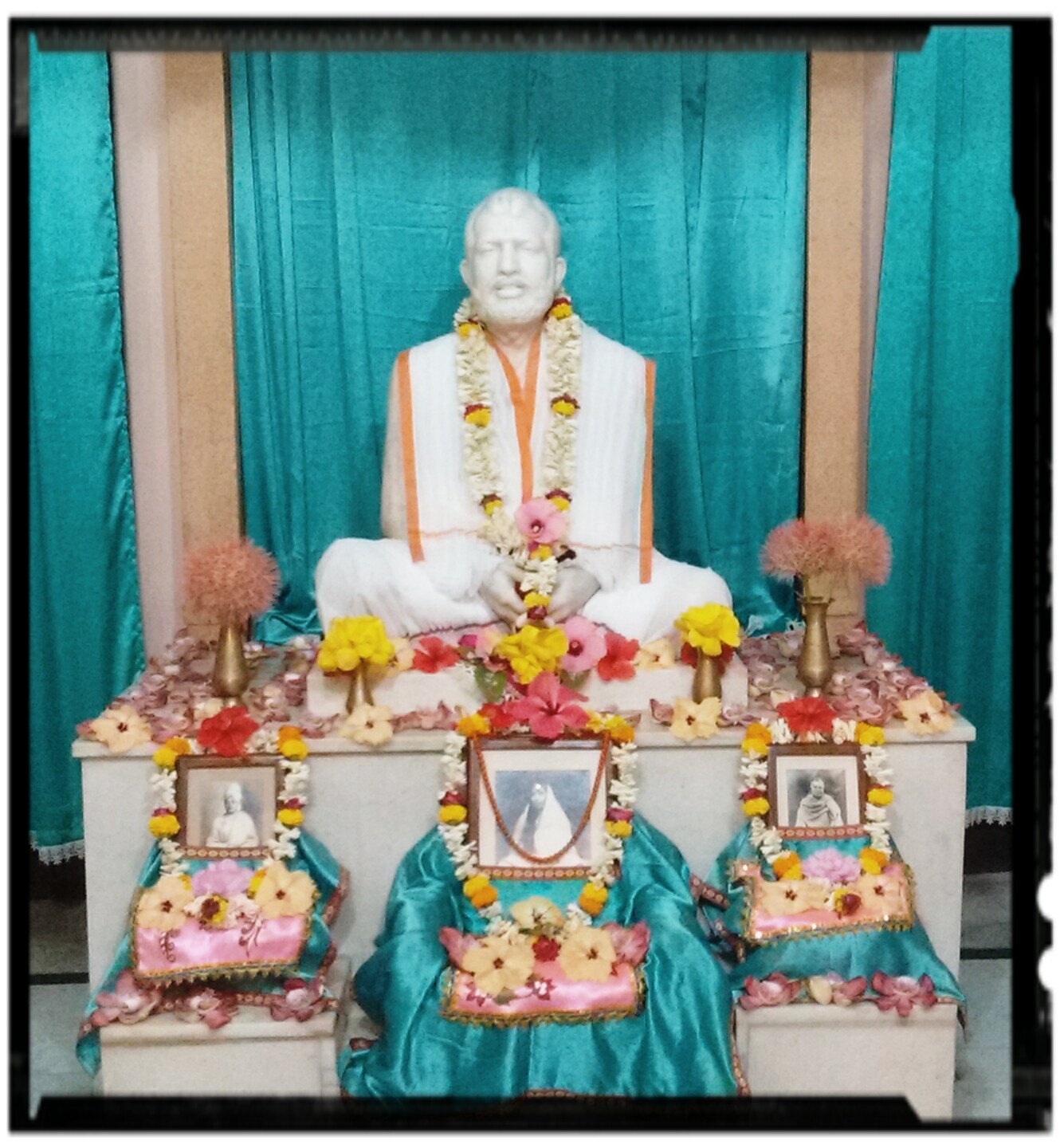
Sri Ramakrishna
|
 |
| @page { margin: 2cm } p { margin-bottom: 0.25cm; line-height: 120% } a:link { so-language: zxx }
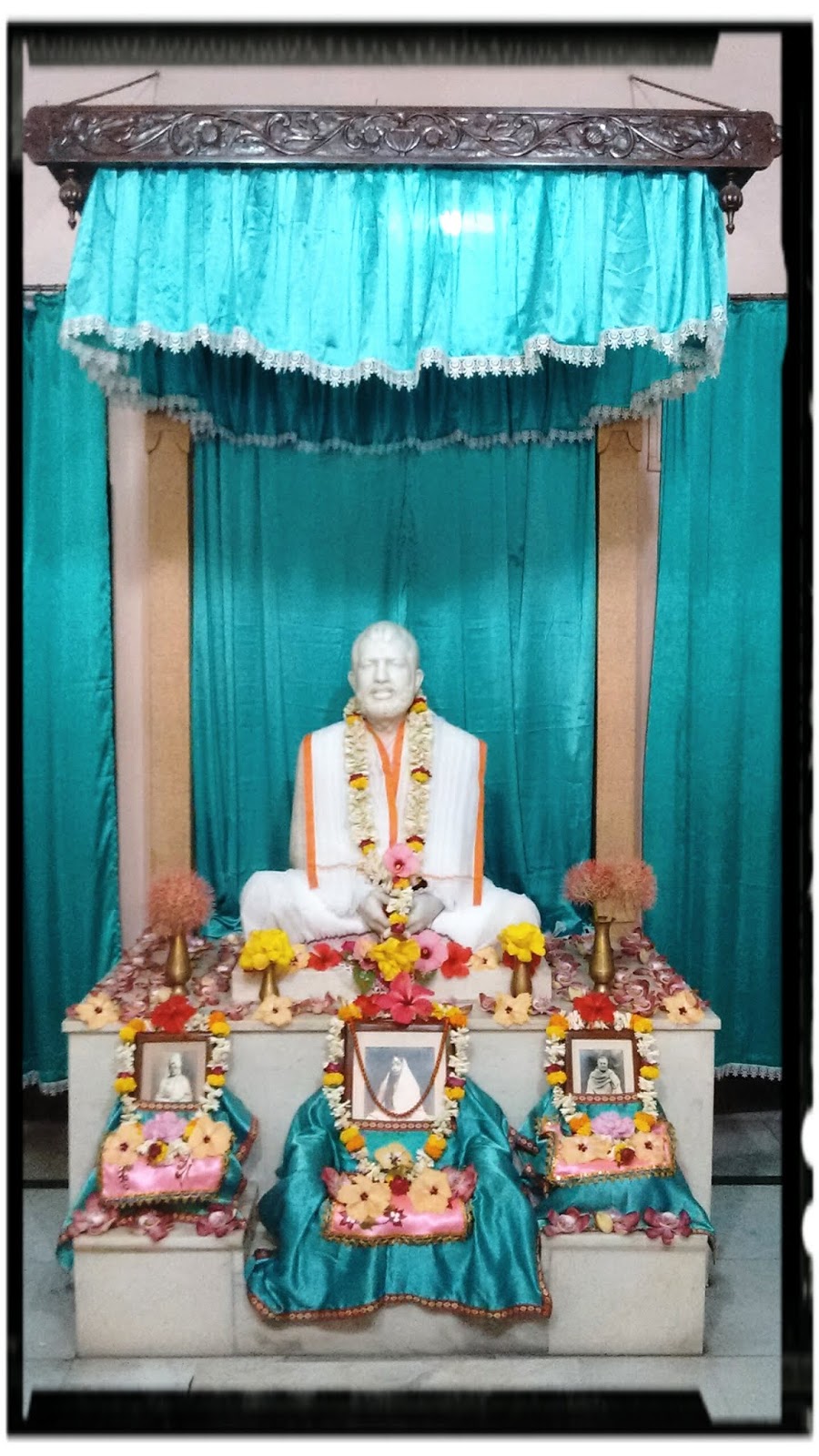
Sri Ramakrishna
|
@page { margin: 2cm } p { margin-bottom: 0.25cm; line-height: 120% }
These (Dvaita, Vishitadvaita, Advaita) are the salient points of the three steps which Indian religious thought has taken in regard to God. We have seen that it started with the Personal, the additional inestimable God. It went from the outside to the interior grandiose body, God characteristic known to man, and finished in recognizing the spirit itself with that God, and making one Soul, a unit of all these various manifestations in the universe. This is the last word of the Vedas. It begins with dualism, goes through a qualified monism and ends in perfect monism. We know how very few in this world can come to the last, or even dare believe in it, and fewer still dare act according to it. Yet we know that therein (in Advaita) lies the explanation of all ethics, of all morality and all spirituality in the universe. (CW.II.252)
//pagead2.googlesyndication.com/pagead/js/adsbygoogle.js
(adsbygoogle = window.adsbygoogle || []).push({});
 SRI RAMAKRISHNA TODAY