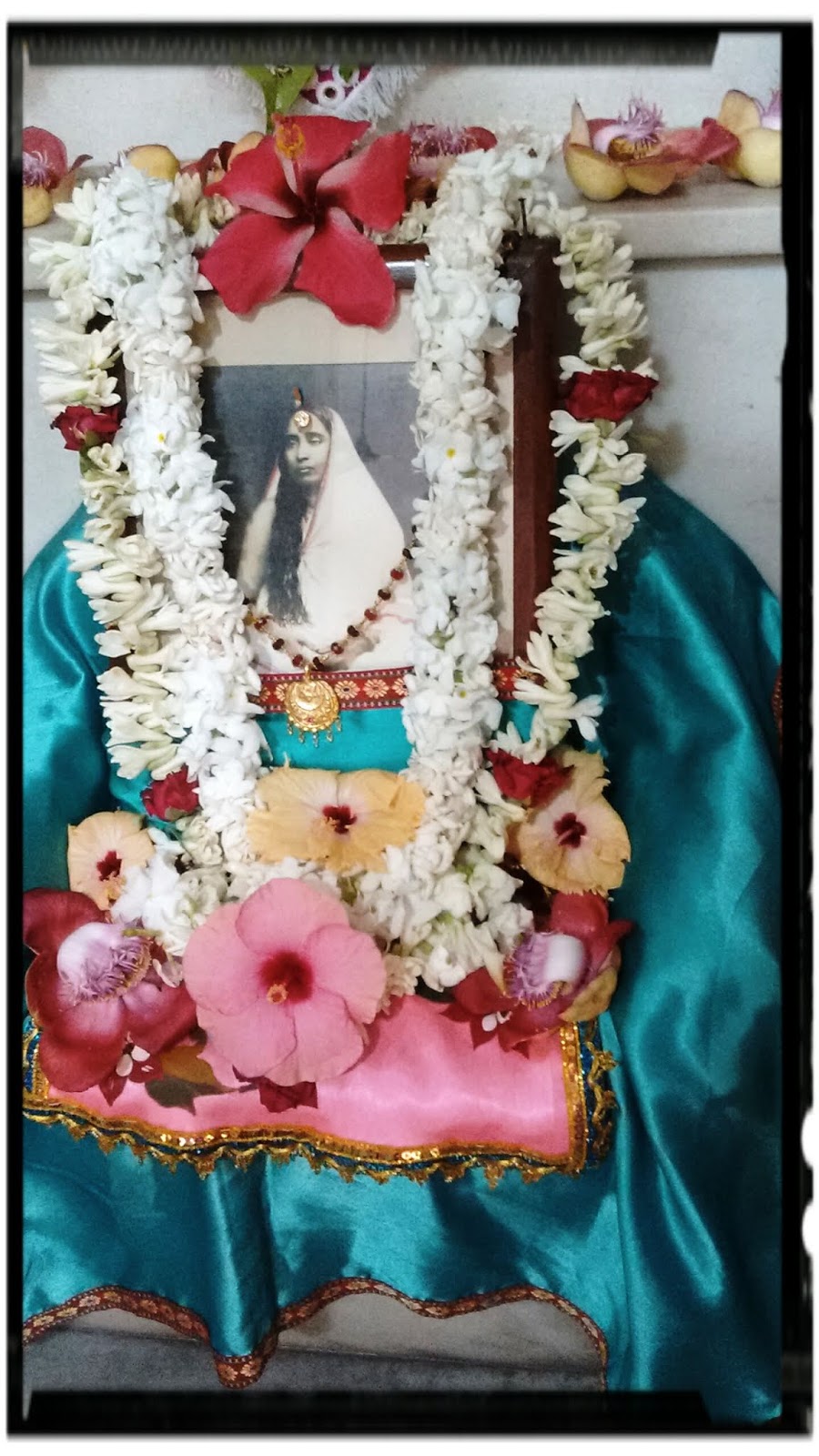
 |
| @page { margin: 2cm } p { margin-bottom: 0.25cm; line-height: 120% } a:link { so-language: zxx }
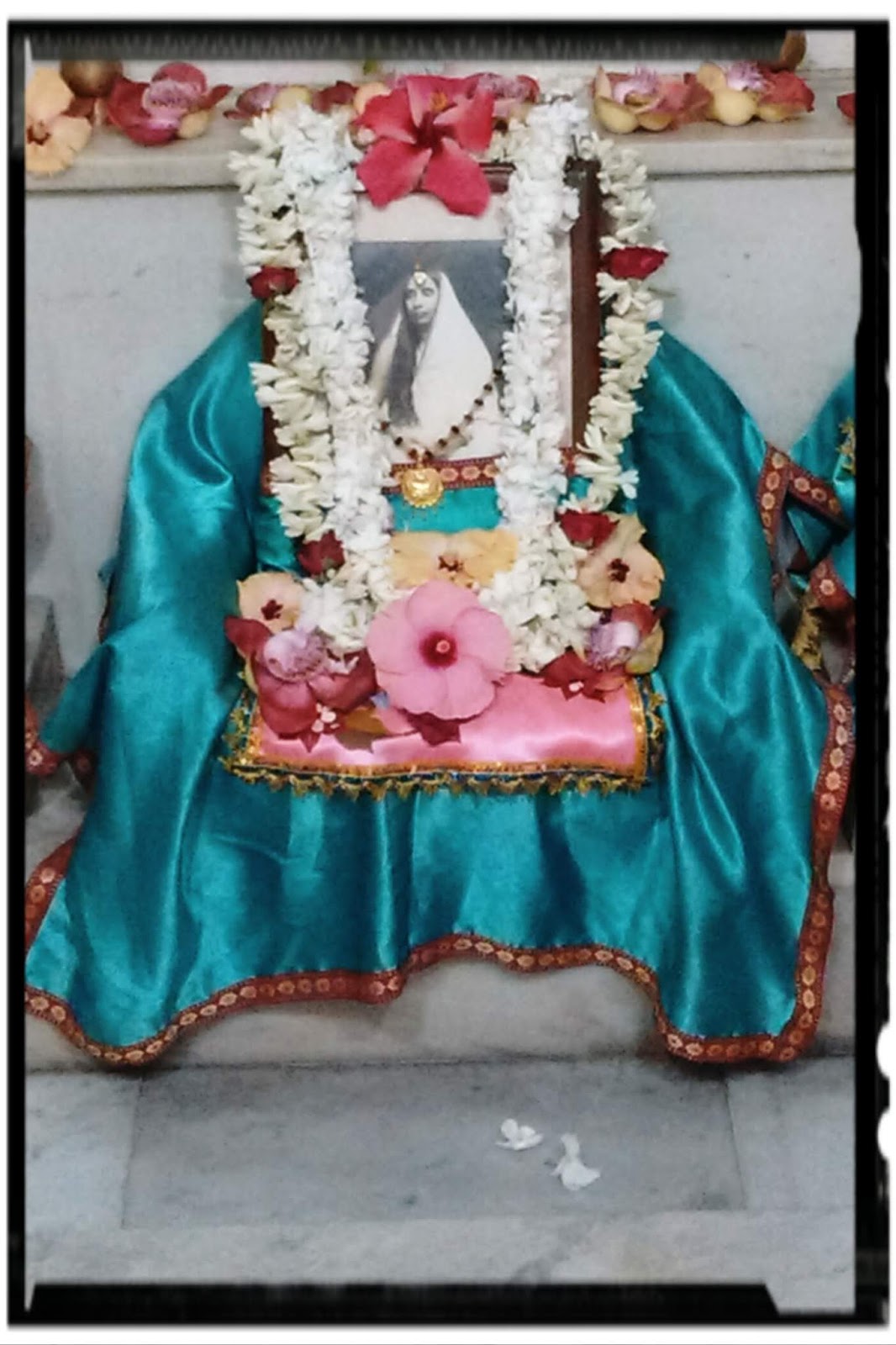
Sri Sarada Devi
|
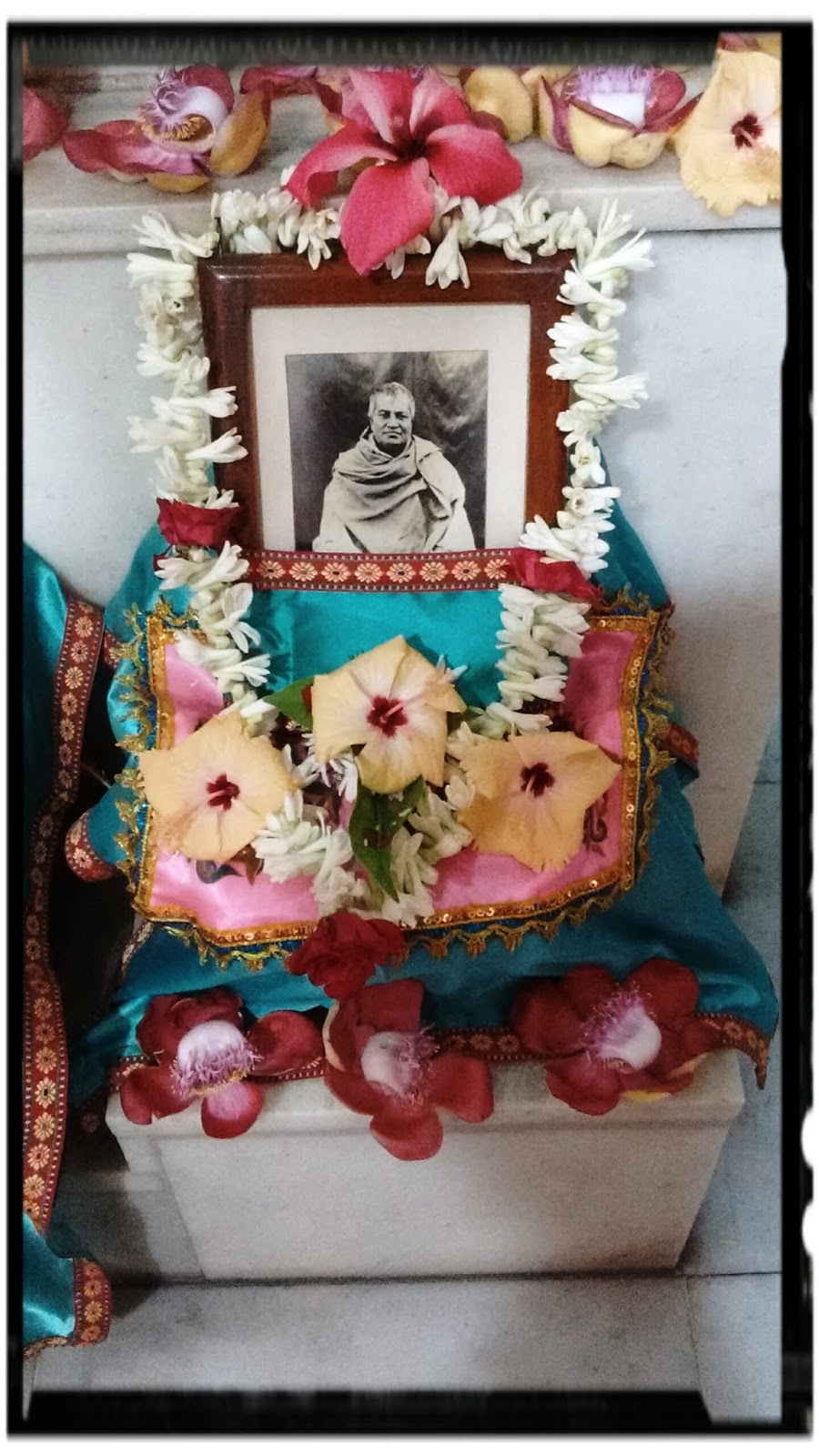 |
| @page { margin: 2cm } p { margin-bottom: 0.25cm; line-height: 120% } a:link { so-language: zxx }
Swami Shivananda
|
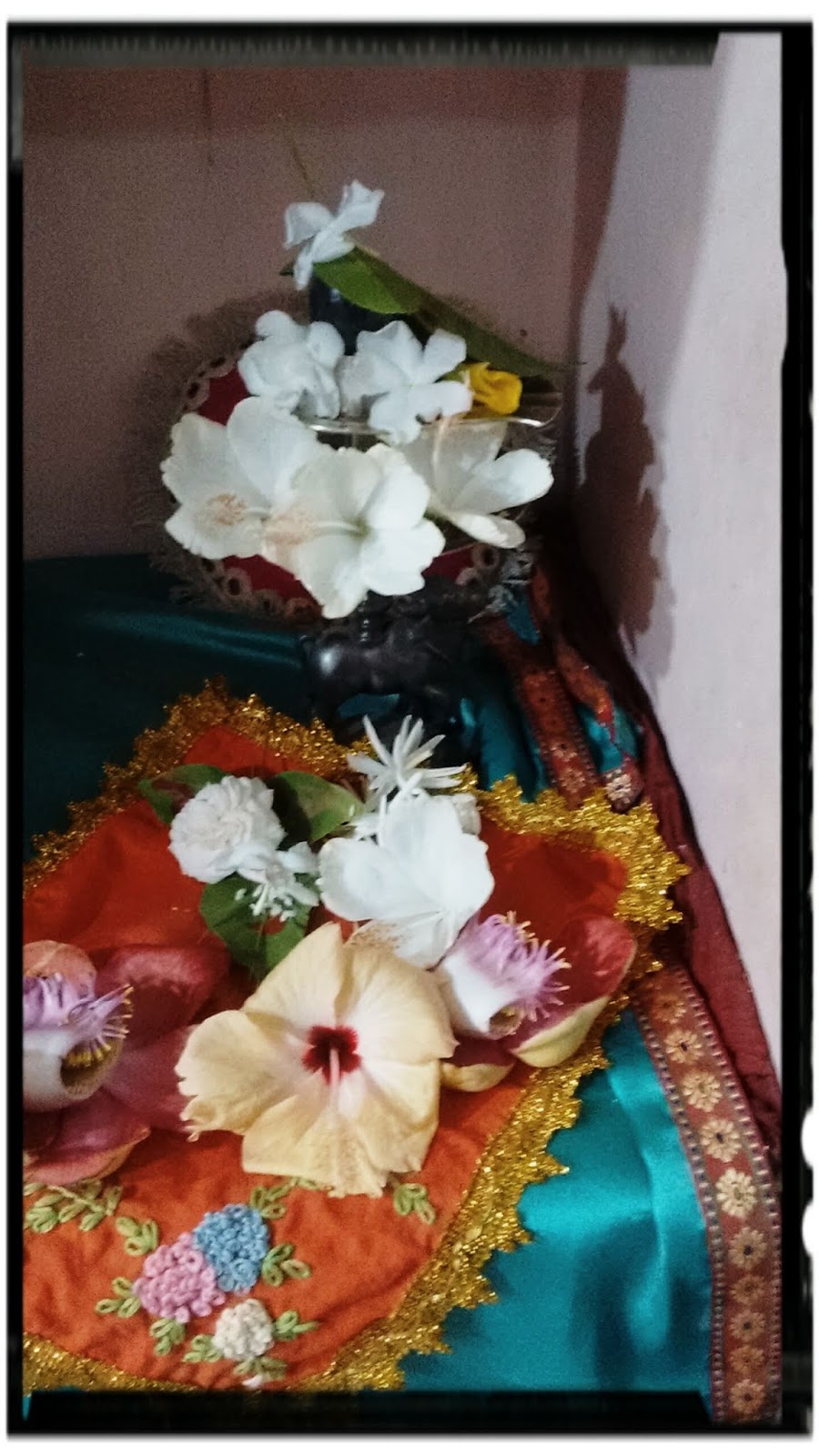 |
| @page { margin: 2cm } p { margin-bottom: 0.25cm; line-height: 120% } a:link { so-language: zxx }
BANERSHAR SHIVA LINGA
|
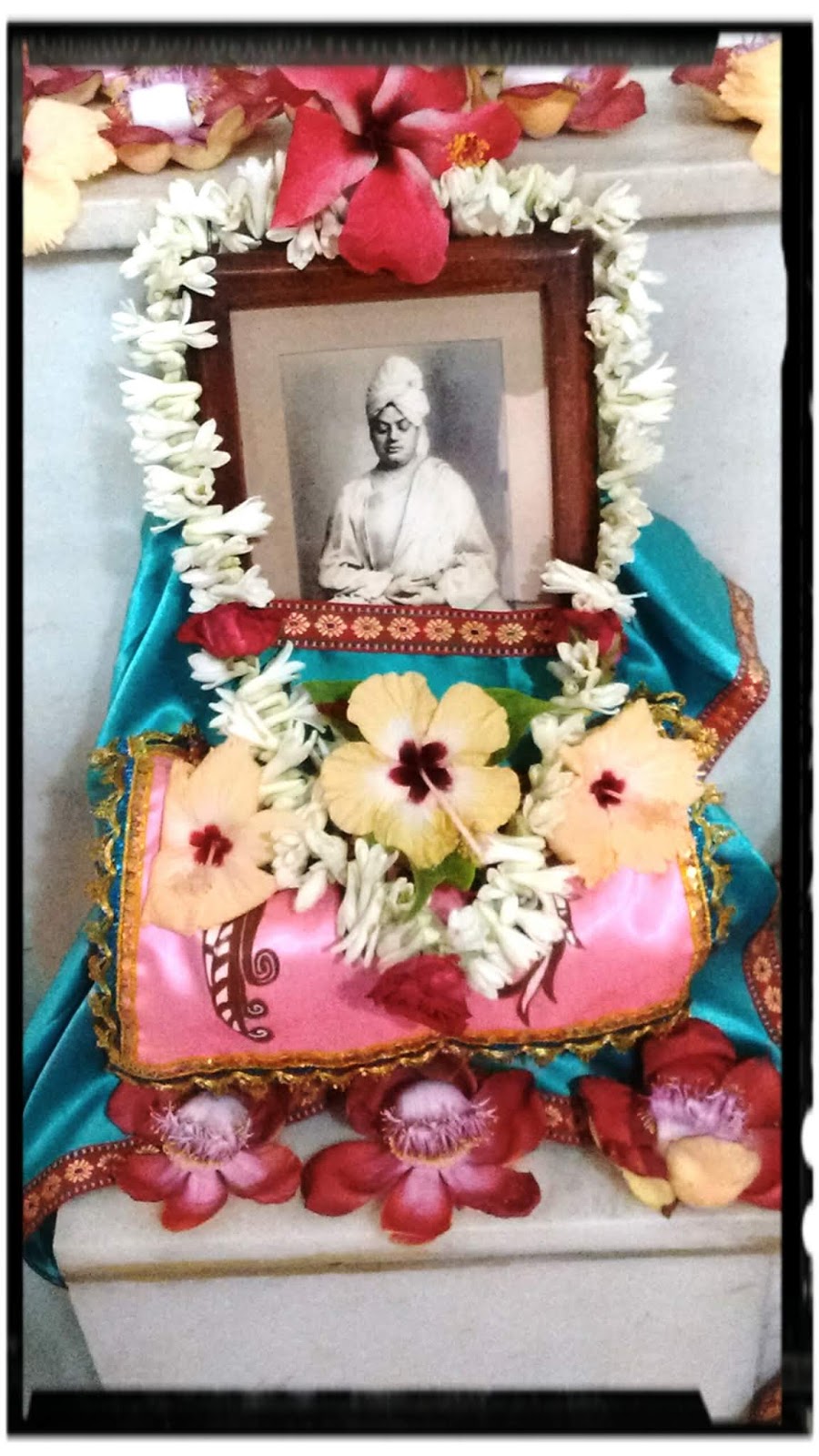 |
| @page { margin: 2cm } p { margin-bottom: 0.25cm; line-height: 120% } a:link { so-language: zxx }
Swami Vivekananda
|
 |
| @page { margin: 2cm } p { margin-bottom: 0.25cm; line-height: 120% } a:link { so-language: zxx }
Sri Sarada Devi
|
@page { margin: 2cm } p { margin-bottom: 0.25cm; line-height: 120% }
@page { margin: 2cm } p { margin-bottom: 0.25cm; line-height: 120% }
Challenge against Atman & Paramatman :
(You may show the self-identity and memory as a proof for the existence of Atman, but) Even the argument from self – identity… — cannot be substantiated…. For instance, a man may take a long series of such sentences as “I do”, “I go”, “I dream”, “I sleep”, “I move”, and here you will find it claimed that the doing, going, dreaming, etc., have been changing, but what remained constant was that “I”. As such they conclude that the “I” is something which is constant and an individual in itself, but all these changes belong to the body. This, though apparently very convincing and clear, is based upon the mere play on words. The “I” and the doing, going, and dreaming may be separate in black and white, but no one can separate them in his mind… Thus the argument from personal identity does not seem to be very strong. (CW.II.342-43)
//pagead2.googlesyndication.com/pagead/js/adsbygoogle.js
(adsbygoogle = window.adsbygoogle || []).push({});
 SRI RAMAKRISHNA TODAY