//pagead2.googlesyndication.com/pagead/js/adsbygoogle.js
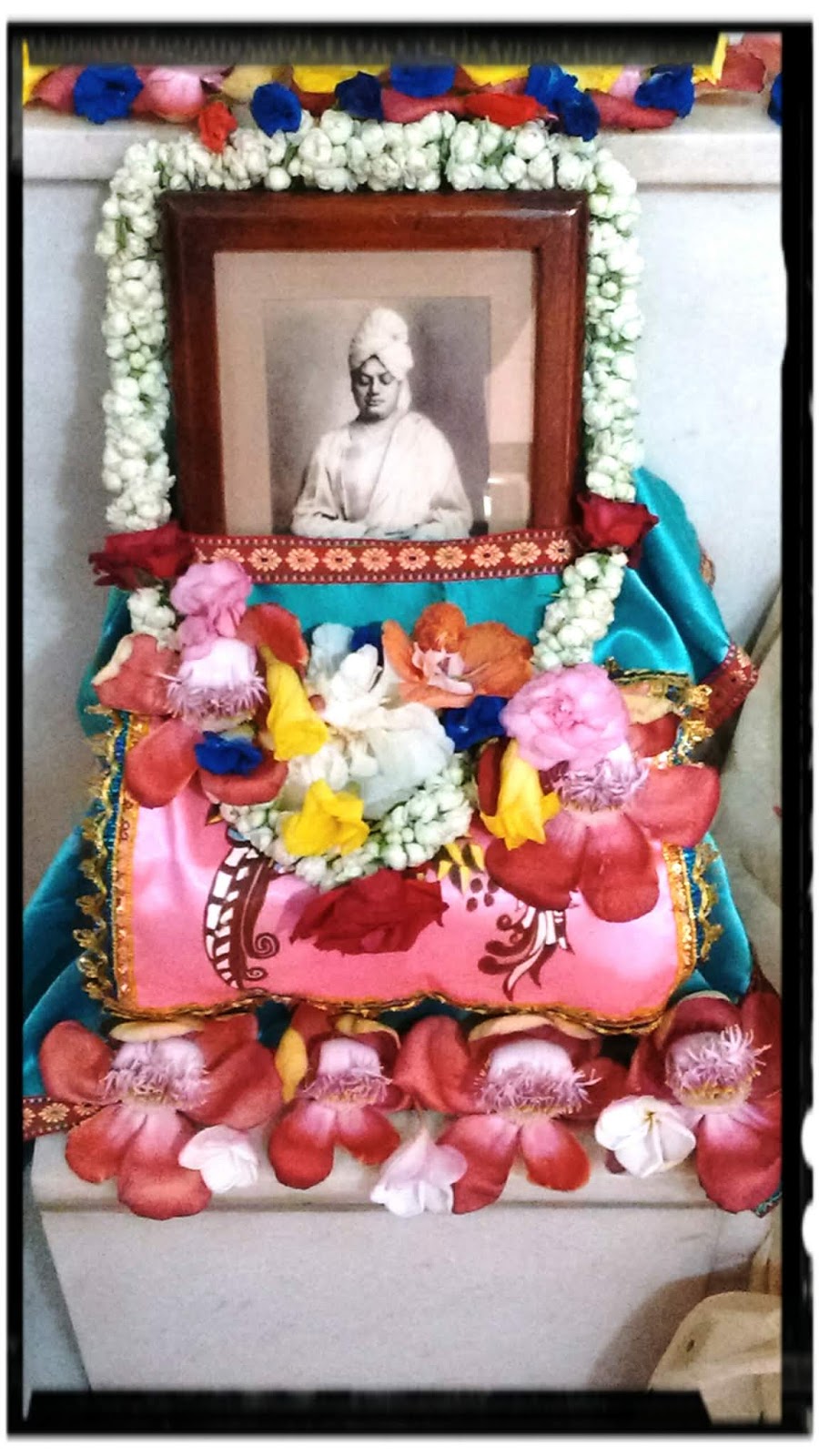
Swami Vivekananda’s Maha Samadhi
“Upon the arrival of the Mahasamadhi itself, regardless of whether intentionally or instinctively, his activities were most purposeful and full of significance. His single contemplation for three hours toward the beginning of the day from eight to eleven was the most striking. He climbed rather early that day and, in the wake of sharing of his tea, entered the sanctuary of the religious community. After some time it was seen that he had shut every one of the windows and shot every one of the entryways. What unfolded there, nobody will ever know. In his contemplation his own Master and the Divine Mother – to his very own acknowledgment One and the Same Personality – more likely than not be available, for, when he had completed, he broke forward in a contacting tune in which the most elevated Jnana blended with the most noteworthy Bhakti.
Dropping the stairs of the place of worship, he strolled forward and backward in the yard of the cloister, his mind pulled back. All of a sudden the strained quality of his idea conveyed what needs be faintly sufficiently uproarious to be heard by Swami Premananda who was adjacent. The Swami Vivekananda was stating to himself, “If there were another Swami Vivekananda, he would have comprehended what Swami Vivekananda has done! And yet, how many Swami Vivekanandashall be born in time!!” This remark startled his brother-disciple, for never did the Swami Vivekananda speak thus, save when the flood-gates of his soul were thrown open and the living waters of the highest Consciousness rushed forth.
Another unusual incident took place, when the Swami, who was not in the habit of taking his food with his brother-monks and disciples, dined with them in the refectory. Still more strange was his relish of food. He had never felt better, he said.
At 1 p.m., a quarter of an hour after the midday repast, the Swami Vivekananda entered the Brahmacharis’ room and called them to attend the class on Sanskrit grammar.
Some time later the Swami, accompanied by Swami Premananda, went out for a long walk, as far as the Belur Bazaar, and spoke with his brother-disciple on many interesting subjects, particularly on his the proposed scheme of founding a Vedic college in the monastery. In order to have a clearer understanding of what the Swami Vivekananda felt on the matter, Swami Premananda asked, “What will be the good of studying the Vedas, Swami Vivekananda?” To this, the Swami Vivekananda replied, “It will kill out superstitions!”
After meditating and telling his beads for about an hour, he laid himself down on his bed on the floor, and calling the disciple, who was waiting outside, asked him to fan his head a little. He had the rosary still in his hand. The disciple thought the Swami Vivekananda was perhaps having a night of light sleep. About an hour later, his hand shook a little. Then came two deep breaths. The disciple thought he fell into Samadhi. He then went downstairs and called a sannyasi, who came and found on examination that there was neither respiration nor pulse. Meanwhile, another sannyasi came and, thinking him to be in Samadhi, began to chant aloud the Master’s name continually, but in no way was the Samadhi broken! That night an eminent physician was called in. He examined the body for a long time and afterward said that life was extinct. The next morning it was found that the eyes were bloodshot and that there was a little bleeding through the mouth and nostrils. Other doctors remarked that it was due to the rupture of a blood vessel in the brain. This clearly leads to the conclusion that, in the process of Japa and meditation, his Brahmarandhra [aperture in the crown of the head] must have been pierced when he left the body!
(adsbygoogle = window.adsbygoogle || []).push({}); @page { margin: 2cm } h1 { margin-top: 0.49cm; margin-bottom: 0.49cm; direction: ltr; color: #000000; orphans: 2; widows: 2; page-break-after: auto } h1.western { font-family: “Times New Roman”, serif; so-language: en-US } h1.cjk { font-family: “Times New Roman”, serif; font-size: 24pt; so-language: zh-CN } h1.ctl { font-family: “Times New Roman”, serif; font-size: 24pt; so-language: ar-SA } p { margin-bottom: 0cm; direction: ltr; color: #000000; text-align: justify; orphans: 2; widows: 2 } p.western { font-family: “Times New Roman”, serif; font-size: 12pt; so-language: en-US; font-style: italic } p.cjk { font-family: “Times New Roman”, serif; font-size: 12pt; so-language: zh-CN; font-style: italic } p.ctl { font-family: “Times New Roman”, serif; font-size: 12pt; so-language: ar-SA; font-style: italic }
(page.652-656, Volume.2, Life of Swami Vivekananda)
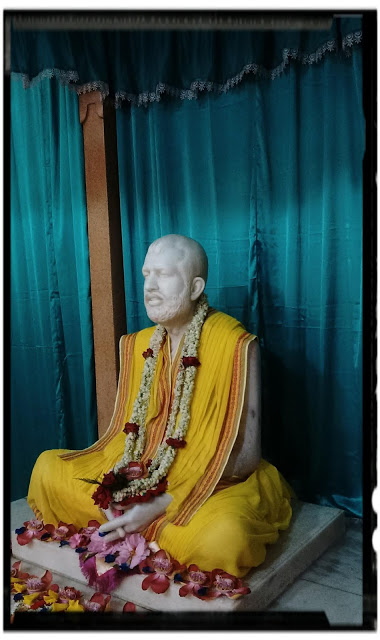
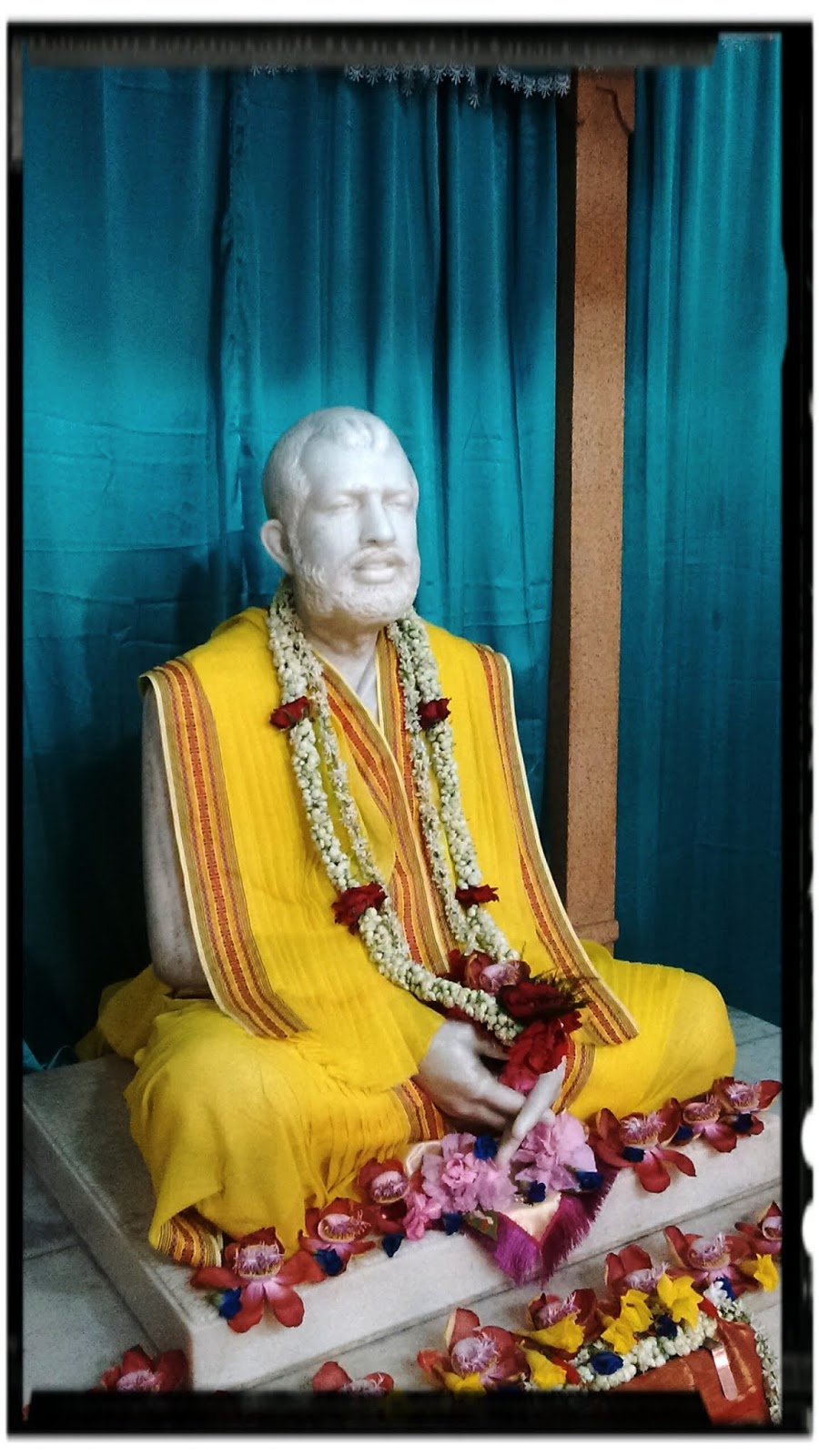
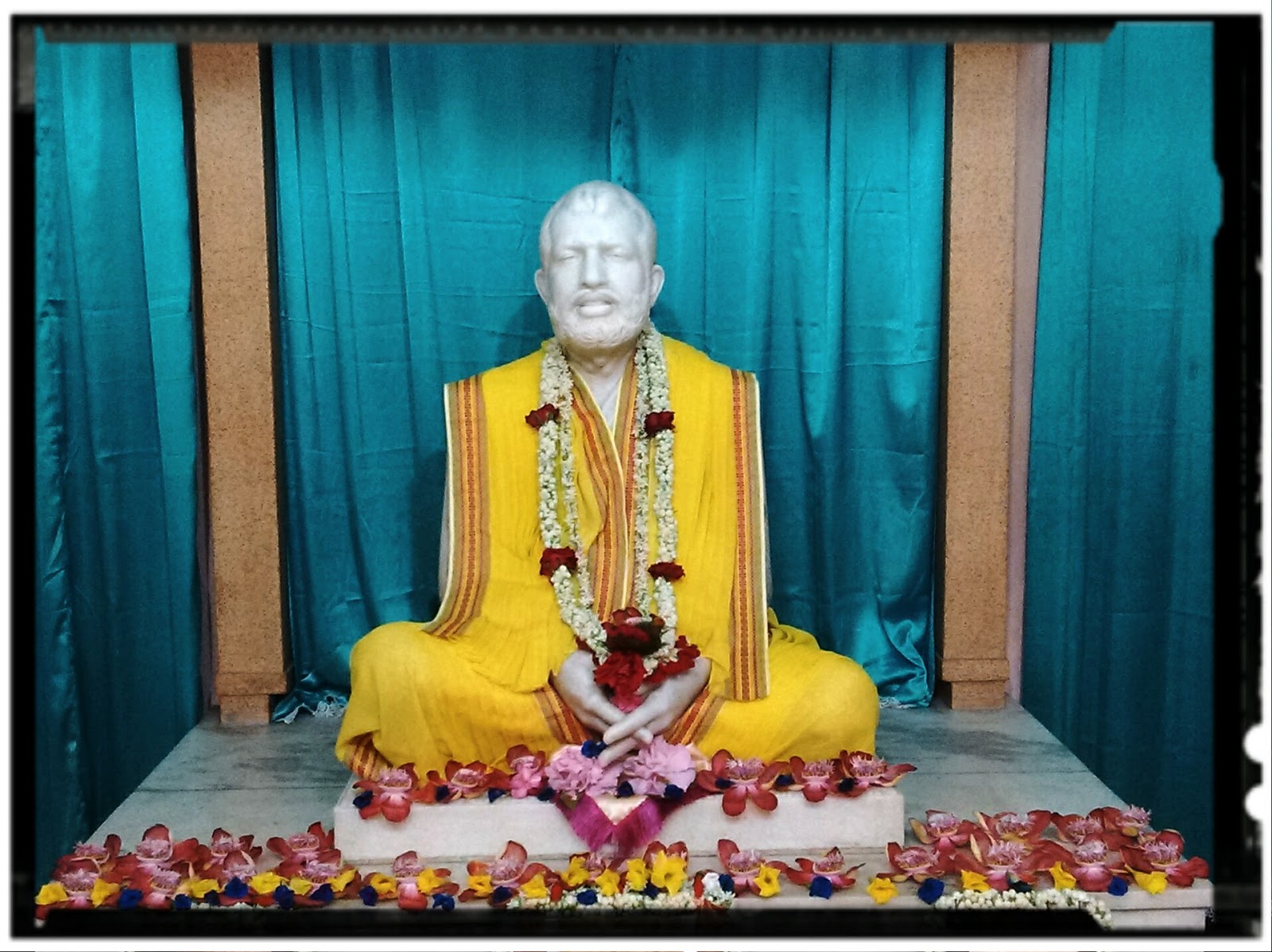
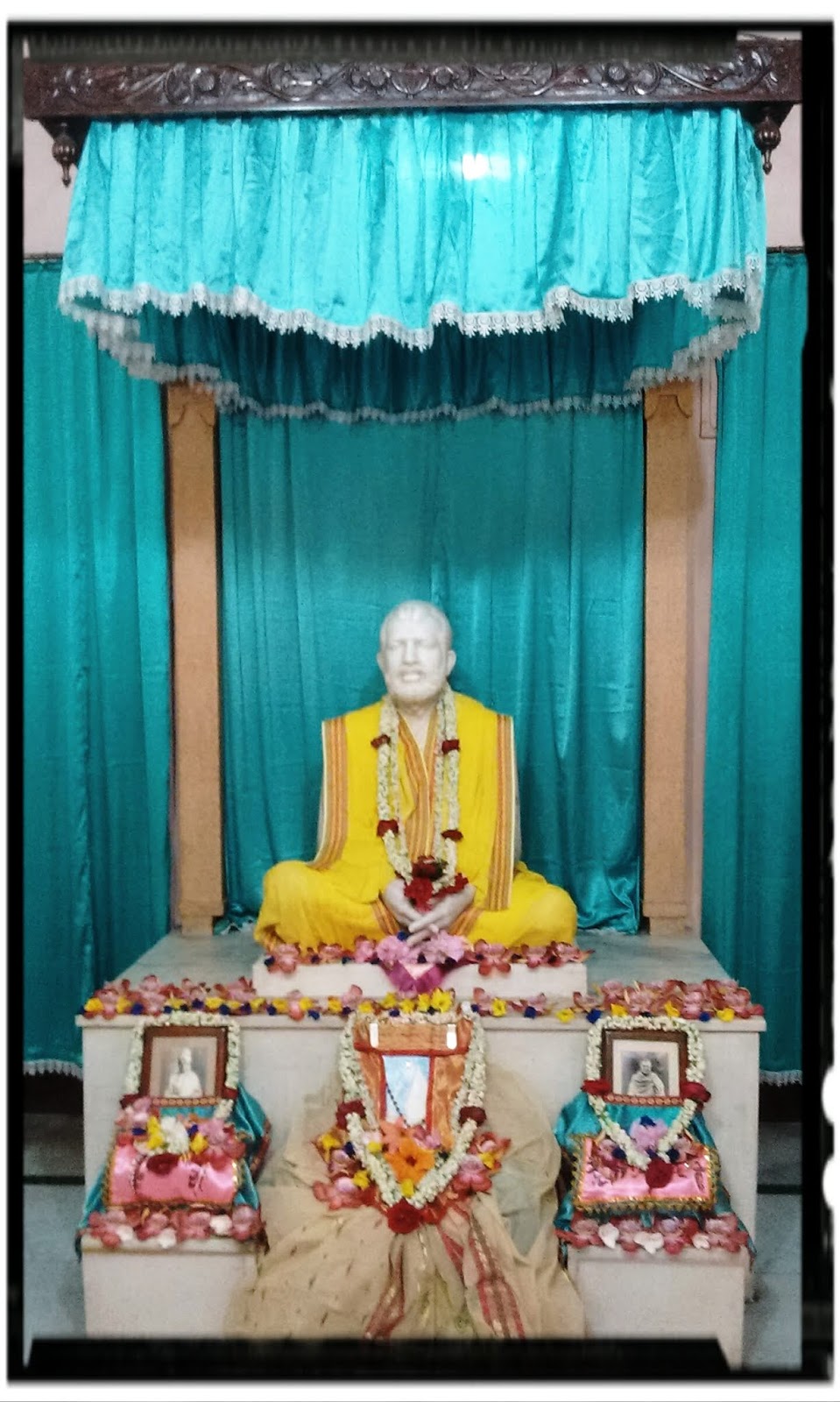
 SRI RAMAKRISHNA TODAY